Attendees Expect to Find Their People, No Luck Required
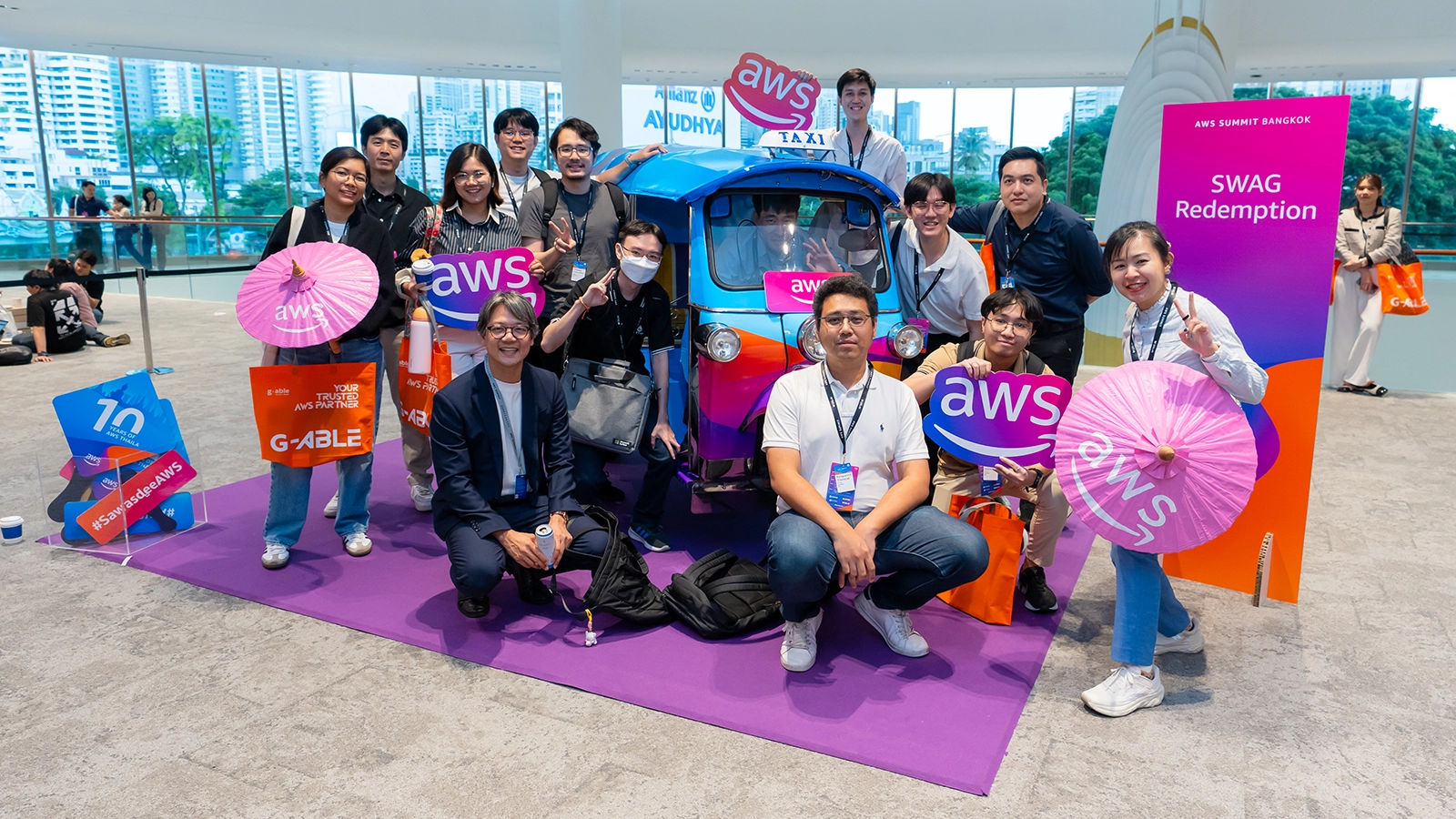
Event design must account for two key types of groups: peers who have yet to meet, who can be matched around shared problems with multi-day collaboration, and teams already traveling together, who benefit from a shared pre-trip brief, on-site workspace, and collective deliverables. These smaller circles allow large events to foster meaningful connections and purposeful conversations.
Shared problems bring these groups together and give their conversations a purpose.
The same dynamic shapes how work gets done. Decisions clear committees. Adoption spreads across teams. One person may return from an event convinced of something new, but colleagues still have to come along before the organization moves.
In the Cohorts section of Opus Agency’s zine, The Outlier: Redefining Connection, we explore two kinds of groups that event design needs to account for:
- Peers who have yet to meet. Match people who carry the same problem. Give the group a name, a space of its own, and work that unfolds across days. Keeping people together gives their connection room to develop beyond a single introduction.
- Teams already traveling together. These attendees often arrive with separate agendas. Give them a shared brief before they travel, dedicated working space on-site, and one thing to take back together.
Both models work inside a large event. The scale stays, but the circles get smaller. Most of the investment is in design time, including the judgment involved in deciding who belongs together.
Read more about Cohorts and the three other types of connections (context, authorship, and continuity) shaping event innovation in The Outlier: Redefining Connection.