The New Appetite: What’s Trending in Food & Beverage?

But today’s cultural signals point toward something far more interesting. Food and beverage (F&B) is the most accessible daily medium through which people regulate their nervous systems and claim agency over their lives.
People use food and beverages to manage their energy, support their health, express their identity, and create small moments of pleasure throughout the day. Attendees bring those expectations with them when they enter an event.
Against a backdrop of persistent stress and economic pressure, micro-indulgences, functional drinks, and thoughtfully portioned meals offer a sense of comfort and control. For event leaders, every bite, sip, scent, and flourish is a chance to delight the senses and create a moment attendees remember.
From GLP-1 adoption and little treat culture to supermarketmaxxing and emerging flavor profiles, these trends are setting new expectations for experiential catering.
Let’s *ahem* dig in.
The GLP-1 Shift and Functional Health
With GLP-1 adoption climbing rapidly, nearly one in five U.S. households includes a current user. This shift is changing how people eat and what they crave.
Among GLP-1 users, 61% report buying fewer sweets and 56% buying fewer salty snacks. Meanwhile, purchases of fresh produce have increased by 44%, followed by packaged protein at 35% and fresh protein at 34%.
Portion expectations are changing, too. Thirty-five percent of users want smaller servings at proportionally lower prices.
These behaviors extend beyond GLP-1 users and signal a broader demand for nutrient-dense foods, flexible portion sizes, and greater control over when and how much people eat. In events, that signals a shift away from heavy plated dinners and buffets.
Consider:
- Protein-forward snacks: Offer Greek yogurt, jerky, nutrition bars, and egg bites on your menu. Smaller, substantial options help attendees maintain their energy without committing to a heavy meal between sessions.
- Nutrient-dense fibers: Incorporate leafy produce, legumes, and whole grains to give attendees more satisfying choices while creating room for sustainable menu storytelling.
- Flexible meal preferences: Let attendees indicate during registration which hosted meals they plan to attend and where they would prefer the flexibility to dine on their own. This gives attendees more agency while helping event teams set more accurate guarantees, control costs, and reduce avoidable food waste.
Grocery Store Tourism and Local Immersion
Travelers are increasingly bypassing curated tourist traps in favor of authentic supermarket aisles. In fact, 77% of travelers now explore local grocery stores to experience genuine food culture without the high-friction environment of fine dining, a trend aptly called supermarketmaxxing. We saw this all over TikTok during the World Cup.
For event leaders, this cultural signal highlights a growing appetite for unpretentious, neighborhood-level discovery within the venue. A formal seated dinner isn't the only way to help attendees feel connected to a destination.
Consider:
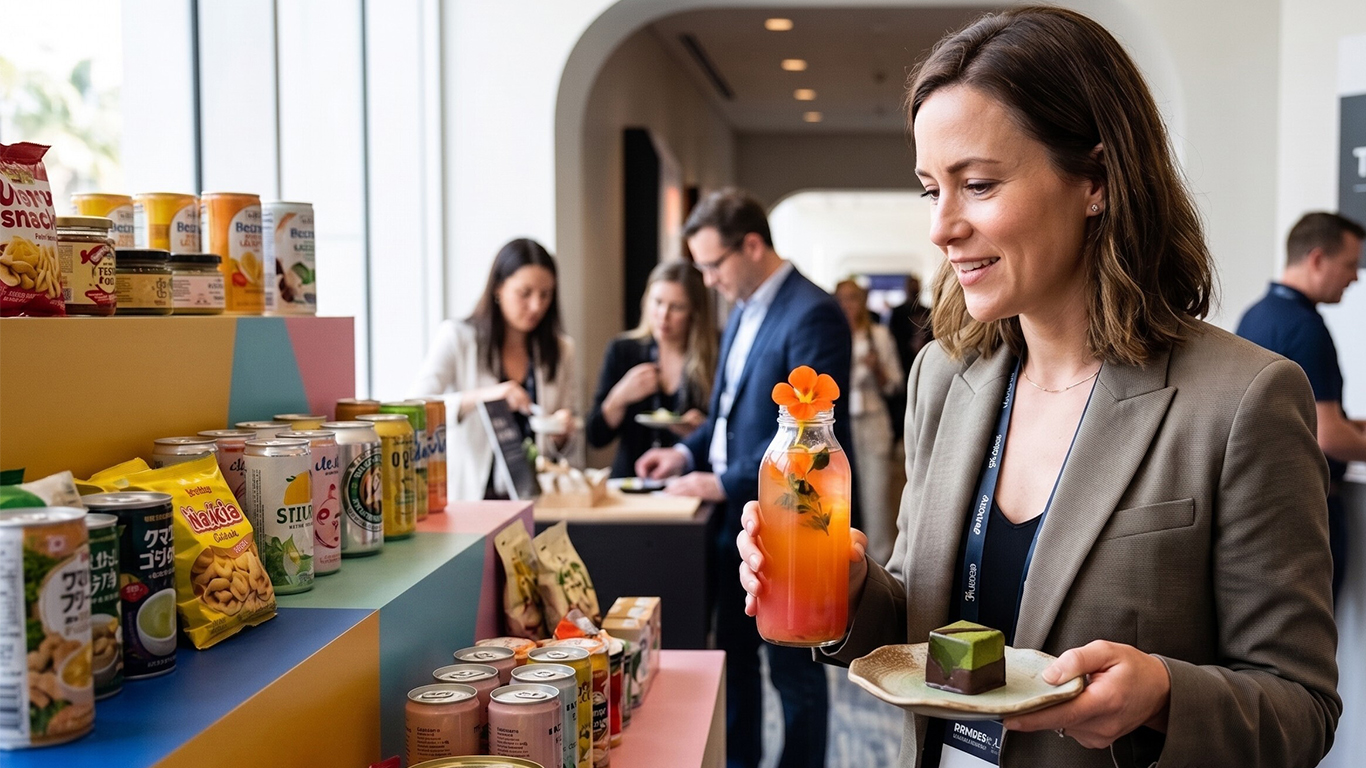
- Konbini-style break stations: Evolve standard coffee breaks into local convenience store pop-ups or mercado-inspired installations stocked with regional beverages and pantry staples.
- Curated snack hauls: Shift away from traditional swag by offering a market-aisle activation where guests fill branded bags with artisanal local goods and immersive ingredients.
- Low-friction networking: Utilize informal afternoon tasting sessions centered on regional favorites. Discovering new flavors and unusual packaging offers a natural, low-pressure way for attendees to bond.
The Rise of Little Treat Culture
Small indulgences have become a meaningful part of how consumers create everyday pleasures. Nearly three in four consumers (73%) consider these purchases essential to their quality of life.
Consumers rely daily on little treats to feel grounded, in control, and to cope with stress amid an era of stretched optimism. An iced coffee or a mini dessert offers an attainable reward and quick dopamine hit. During a busy conference, that moment provides a reason to pause, reset, and reconnect.
For event leaders, timing matters as much as the treat itself. Map these moments against the emotional rhythm of the agenda and deploy them when attendee attention is most likely to dip.
Consider:
- Single-serve micro-luxuries: Offer premium chocolates, petite pastries, gourmet cake bites, or other small-format splurges. The limited portion keeps the experience light while still making it feel special.
- Nostalgic indulgences: Use elevated versions of familiar favorites to create immediate emotional recognition. Think artisan cookie stations, soft-serve counters, cereal-inspired desserts, or regional childhood staples.
- Ritualized breaks: Build anticipated treat moments into demanding stretches of the agenda. A surprise afternoon cart or post-keynote snack gives attendees a shared reward and helps restore energy.
- Collectible or customizable formats: Let attendees select a flavor, add a topping, or assemble a small box to take with them. A simple choice turns catering into a participatory brand interaction.
Flavor Forecast: Intensity and Umami
Guest palates are leaning toward brighter, sharper, and more complex flavors. Heavy, muted flavor profiles are making room for ingredients that create contrast and wake up the senses.
If pistachio and ube were the proverbial “it girls” of 2026, what’s in store for 2027?
- Heat with dimension: Gen Z consumes spicy food at higher rates than other generations. Look beyond novelty heat toward layered combinations like chili crisp, hot honey, gochujang, harissa, and fruit-forward peppers to modernize familiar dishes without making an entire menu inaccessible.
- Sour and aromatic citrus: Yuzu, sudachi, calamansi, and other high-acid flavors can brighten vinaigrettes, desserts, marinades, and zero-proof drinks.
- Edible florals: Nasturtium, borage blossoms, cornflower, lavender, and other botanicals are shifting from garnish to add flavor, aroma, color, and character to savory and sweet dishes.
- Marine notes: Miso, kelp, wakame, dulse, Irish moss, and sea lettuce bring umami and nutritional density to the menu. They can also support a broader sustainability story when sourcing and environmental claims are carefully verified.
- From-the-garden goodness: Tomato, fig, corn, basil, and lavender bring seasonal familiarity to drinks, desserts, and savory dishes. Local variations provide global event programs with a flexible framework without imposing the same menu across every market.
Service Design: Interactive Discovery
Static buffet lines and passed appetizers are giving way to interactive, story-driven service formats. As with any other event element, attendees want to explore at their own pace, make choices, and participate in the presentation.
For event leaders, service design can improve traffic flow, encourage movement, create conversation, and turn agenda breaks into memorable experiences.
Consider:
- Guided discovery: Tastings, pairing flights, chef storytelling, and ingredient-led menus add context to consumption. This creates natural opportunities to connect culinary decisions with the host city, event theme, or brand purpose.
- Playful installations: Suspended salad gardens, sculptural grazing tables, and tableside preparations serve as visual anchors and conversation starters.
- Unexpected curations: Surprise sandwich pop-ups, regional street-food stations, and ballpark-style roaming vendors create moments of discovery throughout the venue.
Beverages as Lifestyle and Identity Signals
A drink is never just a refreshment. In reality, beverage choice signals one’s taste, routine, identity, and personal priorities.
“Consumption as costume” has turned everyday beverages into accessories and rituals. The right water bottle, matcha order, energy drink, or soda can place someone with a recognizable micro-community.
For event leaders, beverages offer an accessible way to make an experience feel culturally current. They can reinforce the brand story, introduce moments of discovery, and create natural gathering points throughout the day.
Consider:
- Coded luxury sips: Treat premium waters, canned beverages, and functional drinks with the same design consideration as a cocktail program.
- Elevated caffeine: Go beyond the standard coffee station with matcha, espresso, boba, cold brew, electrolyte mixers, and energy drinks.
- Mood-based mixology: Engineer cocktails and zero-proof drink menus around emotional frequencies, using ingredients that support the outcome (focus, calm, energy, celebration).
Gut Check
Food and beverage can influence energy, emotion, movement, and connection across the attendee journey. To understand whether your catering program reflects current expectations, audit it in four areas:
- Menu flexibility: Does the program accommodate different appetites, energy needs, and eating patterns without requiring attendees to make special requests?
- Beverage architecture: Do nonalcoholic, caffeinated, and functional options receive the same thought and visibility as the cocktail program?
- Emotional pacing: Are meals, snacks, and treats placed according to the agenda's energy, or simply where they fit operationally?
- Service design: Does the presentation encourage discovery and connection while still supporting throughput, accessibility, and waste reduction?
Bring catering partners into the planning process early. Share attendee profiles, event goals, agenda rhythm, and brand narratives when discussing your menu. That context gives culinary teams more room to create something special and operationally sound for your event.
Big Idea
Food and beverages fundamentally shape the human experience. They restore energy, offer personal agency, express identities and culture, and create natural points of connection.
Bring catering into your experience strategy from the start. The right bite can spark a conversation, shift the energy, and become the moment attendees remember long after the event.
Hungry for more? Let’s talk.
—
For more Insights like this, subscribe to XO.