The Trust Economy Is Here and Events Are Leading It

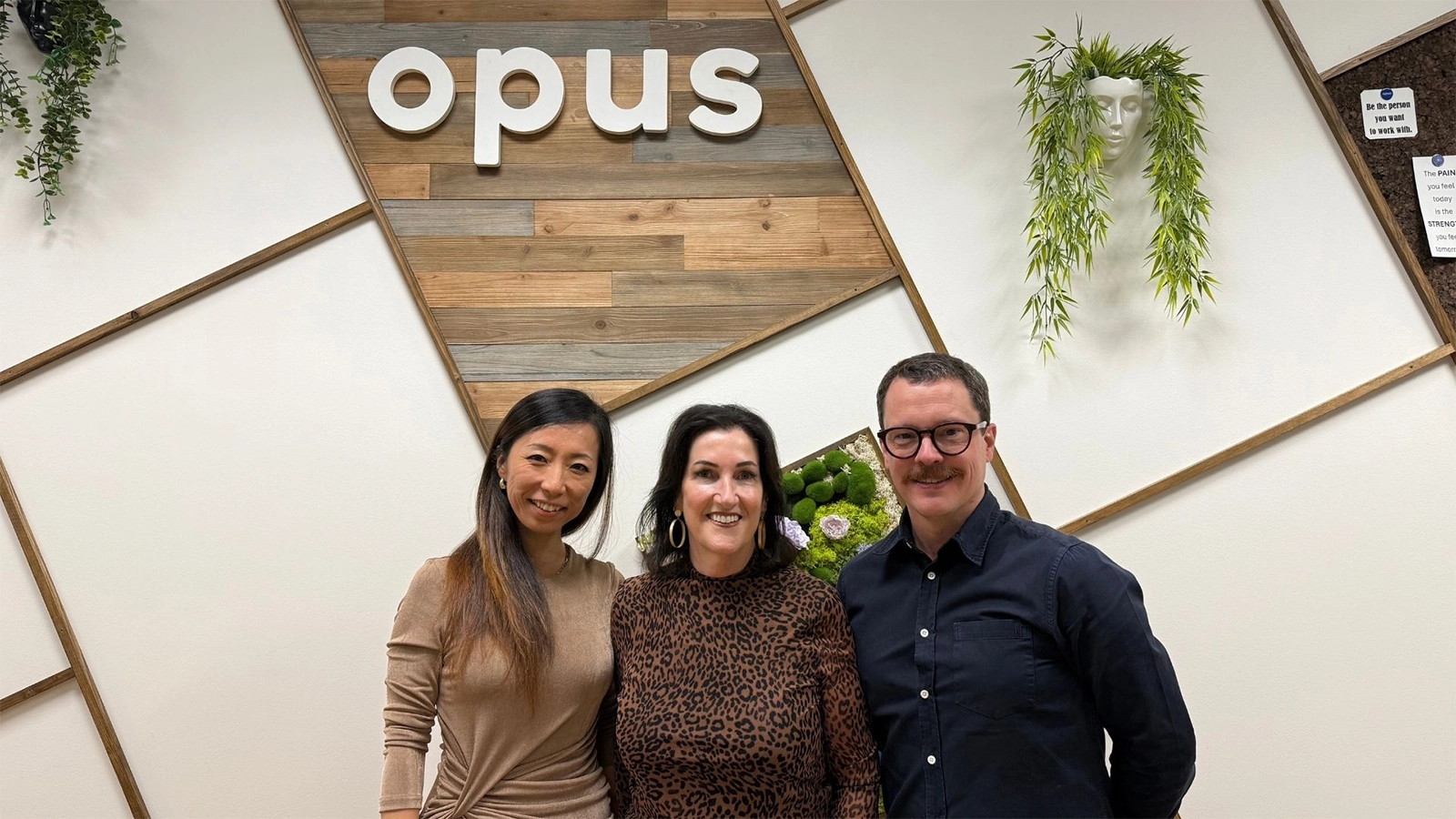
That’s the conversation MPI recently explored with top industry leaders, including Opus Agency President Dena Lowery. For us, this conversation goes far beyond logistics or engagement. Events are where people build trust, form identity, and move business forward.
“We’re not going back to the old playbook,” Lowery says. “We’re entering what Mark Cuban calls the Milli Vanilli effect: a world where AI makes it so hard to tell what’s real that face-to-face interaction becomes the most trusted medium we have. This is the ‘trust economy.’ And events are the currency.”
According to Lowery, three factors are driving this shift.
- Verification through presence
- Business impact that shows up in the numbers
- Experiences worth the travel
“In a world saturated with AI-generated content, attendees need to see it live, try it themselves, hear it directly from experts,” she says. “Our clients are designing keynotes as live stories, building hands-on labs where people can actually test products, and hosting roundtable conversations that put decision-makers in the same room. These aren’t just engagement tactics. They’re proof of authenticity.”
Events drive validated results, lead generation, sales revenue, employee engagement, Lowery notes, and they’re no longer isolated projects. “For CMOs, events have become a strategic tool that delivers measurable outcomes and tight alignment with business goals,” she says. “When you can track exactly who attended, what they experienced, and how they converted, events become irreplaceable.”
Attendees aren’t coming to events to passively consume; they expect “return on intent,” Lowery adds, meaning every moment needs to justify their time investment. “That means immersive design, community-building, and moments that spark real connection rather than just checking a box."
In terms of events in 2026, Lowery believes the pattern is clear: In-person events are becoming the No. 1 priority for CMOs.
“Gartner’s recent research suggests that mass digital detoxing could push the mass majority of marketing investment (70%) toward offline channels by 2028; we’re already seeing it happen. Events are the antidote. In an AI-infused world where digital content can be easily generated or manipulated, face-to-face interaction is the highest form of verification. It’s where brands prove they’re real, where people form identities and find their communities, and where dopamine comes from real connection, not endless scrolling.”
This means smarter, bigger tentpole events, Lowery notes, and it also means smarter global strategies, as brands are shifting from one massive annual gathering to establishing regional footprints—roadshows and micro-events that bring intimacy and cultural relevance to diverse audiences.
“The rise of the ‘Global South’ is accelerating this—the fastest-growing markets demand localized experiences that reflect their communities, not one-size-fits-all productions,” she says. “Event professionals who master this balance, designing for trust, building global scale with local resonance, creating experiences that people actually want to show up for, will define the next era of our industry. Altogether, face-to-face is thriving and quickly becoming even more essential to how brands build trust and how business gets done.”
Curious how other industry leaders are talking about the value of IRL? Read the full article here.